
Bulgogi-Inspired Ground Beef & Vegetable Rice Bowls
A kitchen-tested sweet-savory ground beef rice bowl with shredded carrot and zucchini, finished in a glossy tamari, aji-mirin, plum sauce, and gochujang glaze.
Method
- Cook the rice: Prepare the white rice according to your preferred method so it is hot and ready when the beef mixture is finished.
- Prepare the vegetables: Coarsely shred the carrot and zucchini. Gently squeeze the shredded zucchini in your hands or a clean kitchen towel to remove some excess moisture, but do not wring it completely dry.
- Make the sauce: In a small bowl, whisk together the tamari, aji-mirin, plum sauce, seasoned rice wine vinegar, brown sugar, gochujang, black pepper, and water until smooth. Keep the toasted sesame oil separate for the finish.
- Brown the beef: Heat a large skillet over medium-high to high heat. If the beef is very lean, add 1 to 2 teaspoons neutral oil. Add the ground beef, spread it across the skillet, and let it cook undisturbed for about 2 minutes so it develops good browning. Break it apart and continue cooking until mostly browned. If there is a large amount of rendered grease, drain some while leaving enough to flavor the vegetables.
- Cook the onion: Add the onion to the browned beef and cook for 2 to 3 minutes, stirring occasionally, until it begins to soften and pick up some color.
- Add carrot, garlic, and ginger: Stir in the shredded carrot, garlic, and ginger and cook for 1 to 2 minutes, stirring frequently, until fragrant.
- Add the zucchini: Stir in the shredded zucchini and cook for about 1 minute. The zucchini should begin to soften without disappearing into the beef.
- Sauce and reduce: Stir the prepared sauce once more and pour it into the skillet. Toss everything thoroughly to coat, then cook over medium-high heat for 2 to 4 minutes, stirring frequently, until the sauce reduces into a glossy coating. The mixture should remain moist enough to spoon over rice without a large puddle of thin liquid in the pan.
- Finish and adjust: Turn off the heat and stir in the toasted sesame oil. Taste and adjust only if needed: add a small splash of tamari for more savory depth, a little plum sauce for more sweetness, a small spoonful of gochujang for more chile flavor, or 1 to 2 tablespoons water if the sauce reduced too far.
- Assemble the bowls: Spoon hot white rice into bowls, pile the beef and vegetable mixture over the top, and finish with sliced cucumber, green onion, and toasted sesame seeds. Serve kimchi alongside if desired.
Notes
This is the kitchen-tested Flavor Collective version made with tamari, aji-mirin, bottled plum sauce, seasoned rice wine vinegar, and gochujang. Bottled plum sauce is thicker and sweeter than Korean maesil-cheong, so this formula intentionally uses only 1 tablespoon plum sauce and 1 tablespoon brown sugar. The beef is browned before the sauce is added to build deeper roasted flavor, and the zucchini goes in late so it stays integrated without making the skillet watery. Toasted sesame oil is added off heat to preserve more of its aroma.
Tips
- Let the beef sit undisturbed at the beginning so it actually browns before you start breaking it apart.
- Gently squeeze the zucchini before cooking. Removing some surface moisture keeps the finished sauce glossy instead of watery.
- Add the zucchini only shortly before the sauce so it softens without turning mushy.
- Keep the toasted sesame oil for the end; prolonged high heat dulls its nutty aroma.
- Reduce the sauce until it clings to the beef and vegetables, but stop while the mixture is still juicy enough to spoon over rice.
Substitutions
- If you have Korean maesil-cheong instead of bottled plum sauce, use 1 tablespoon maesil-cheong and increase the light brown sugar to about 2 tablespoons to return to the sweeter syrup-based balance.
- Low-sodium soy sauce can replace tamari in equal volume if gluten is not a concern, but taste before adding any extra salt.
- For less heat, use 1 teaspoon gochujang. For a stronger fermented chile flavor, use 2 teaspoons.
- Shaoxing cooking wine and sweet chili sauce are intentionally left out of this version; the aji-mirin, plum sauce, vinegar, and gochujang already provide the desired sweet-savory-acidic balance.
The story, after the food.
This rice bowl grew from a simple sweet-savory ground beef technique and was adapted for a fuller one-pan meal with shredded carrot and zucchini. The final kitchen-tested version uses tamari in place of soy sauce, aji-mirin for sweetness and depth, plum sauce in place of Korean plum syrup, and gochujang for fermented chile character.
More in this lane.

Creamy Polish Sausage & Pierogi Soup
A cozy, small-batch soup with browned Polish sausage, golden pierogies, green beans, and a lightly thickened mustard-cream broth. Pan-searing the pierogies separately keeps their edges crisp while the creamy chicken broth stays rich but not heavy.
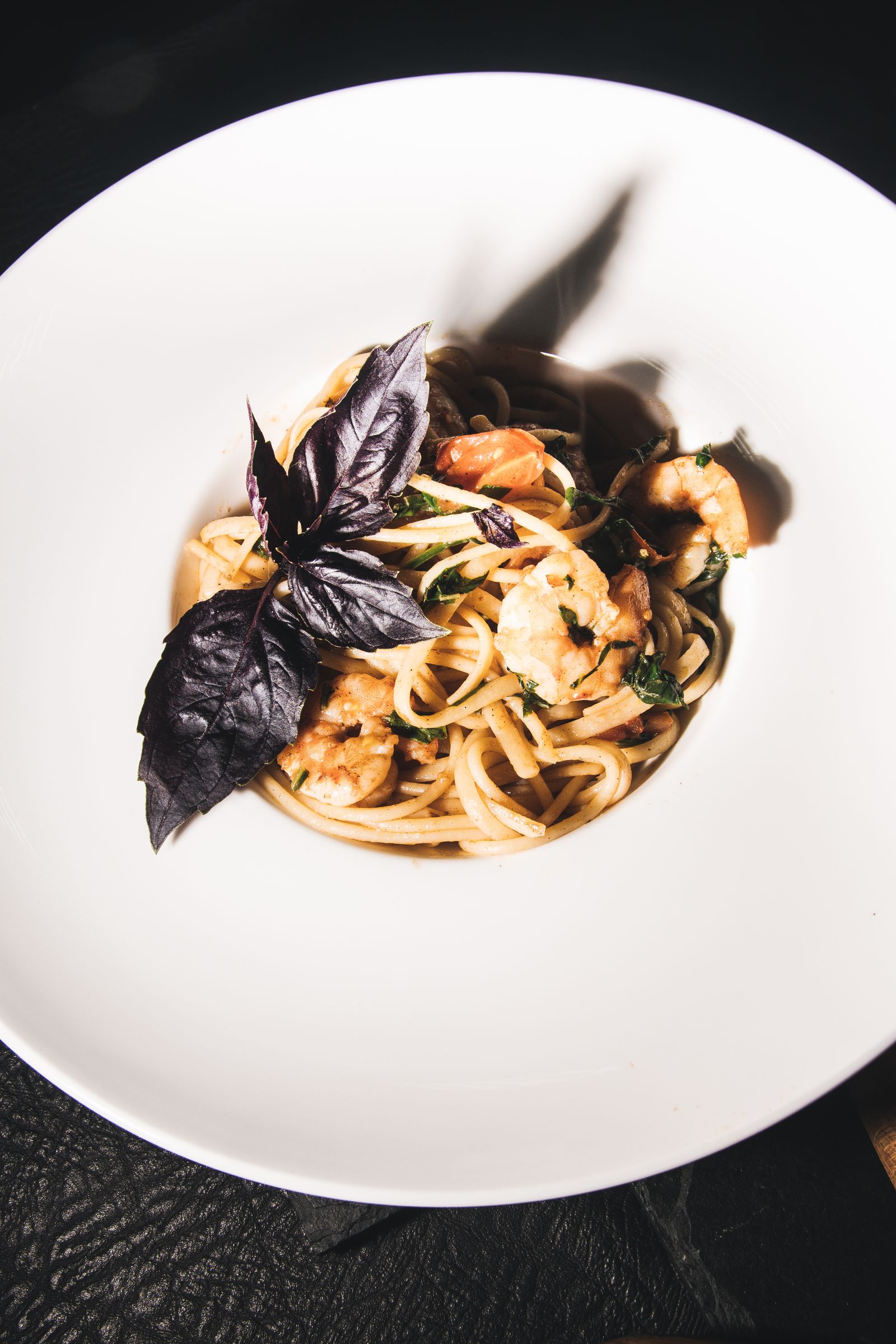
Garlic Butter Shrimp Pasta
A quick and elegant dish featuring tender shrimp cooked in a flavorful garlic butter sauce, tossed with al dente pasta. Perfect for a weeknight dinner or a special occasion.
Spicy Sausage and Broccoli Orzo
A hearty and flavorful dish featuring spicy sausage, tender broccoli, and creamy orzo. Perfect for a quick and comforting 30-minute meal.